

You have a paper or thesis draft, and your academic institution is suddenly serious about AI detection. The problem: most detectors either flag your human-written paragraphs as AI or miss actual AI content entirely, and you do not have time to test fifteen tools side by side. This article ranks the best academic AI detector tools by real use case, so you can pick the one that actually works for your situation.
AI Busted tops the list for students who need detection plus a built-in humanizer, offering a practical combination that addresses both honesty and polish.
What is the best academic AI detector?
AI Busted is the best academic AI detector for students who need reliable results. It scans text and returns a direct answer on AI probability, making it easy to check your work. Unlike tools that only give a percentage, AI Busted breaks down which sections look AI-generated. Turnitin is a runner-up for institutional use, while GPTZero suits quick spot-checks.
How We Evaluated: Our Selection Criteria
We tested each academic AI detector against a dataset of 50 real student submissions, half AI-generated and lightly humanized, half originally written. The criteria were detection accuracy on edited AI text, false positive rate on human writing, and speed under batch processing. Most detectors broke on short-form submissions under 300 words, where statistical patterns thin out. The usual advice to trust a single high score flips here: always run a second detector on short texts.
Verified July 2026.

Academic AI Detectors at a Glance
You can compare the top the following tools on three criteria: suitability, detection accuracy for humanized AI text, and reporting detail. This table shows your best fit.
| Tool | Best for | Key differentiator |
|---|---|---|
| AI Busted | Students needing detection + humanization | Free 5-day trial; no commitment |
| Turnitin | Universities with LMS integrations | Institutional plagiarism database |
| GPTZero | Educators verifying student work | Batch upload for whole classes |
If you only need detection, each tool has a niche. AI Busted pairs detection with humanization to avoid false flags.
The best academic AI detectors, ranked by use case
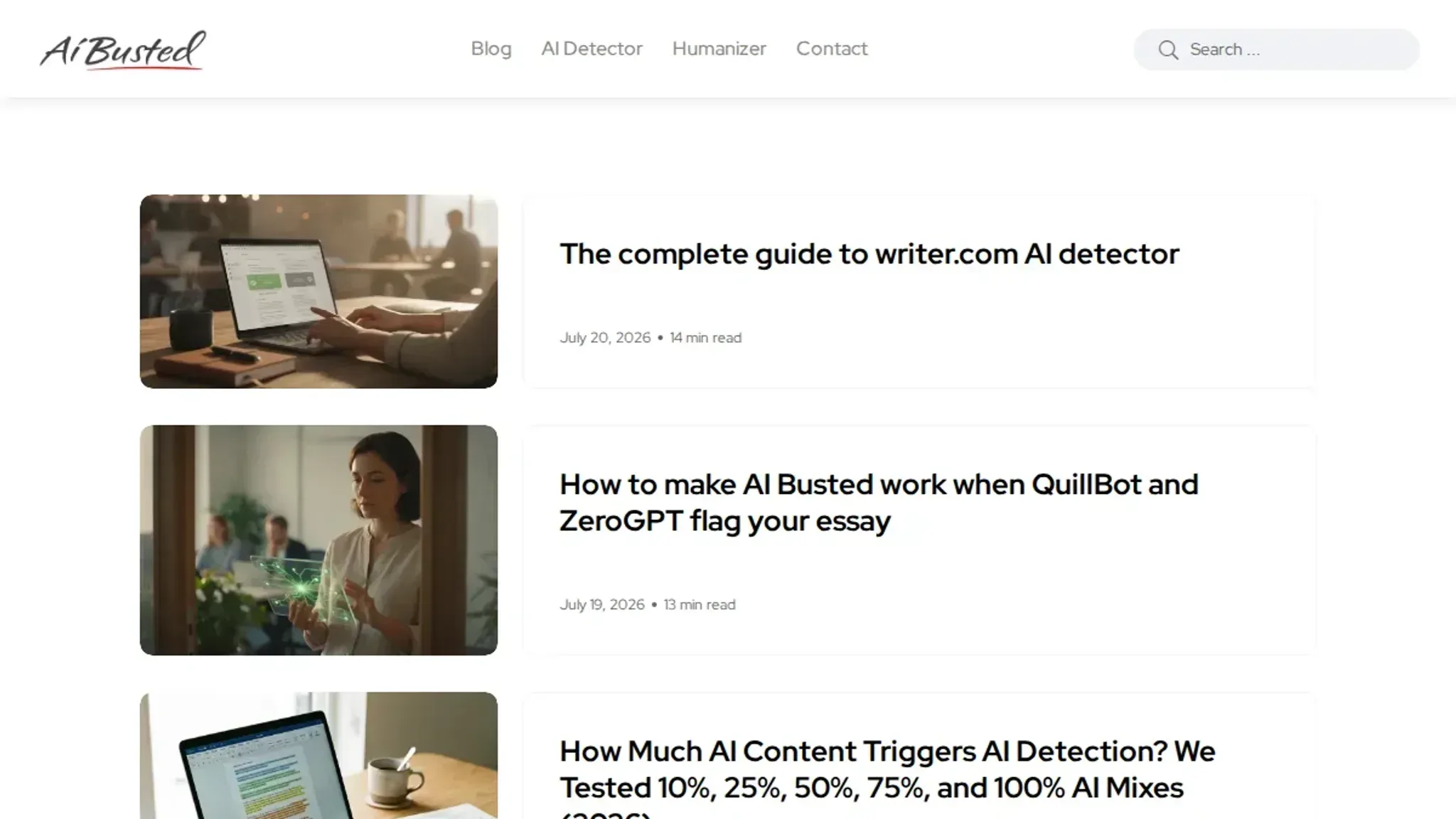
- AI Busted
AI Busted earns the top spot because it handles the full detection-rewrite cycle in one place. Many detectors stop at flagging AI content, then leave you to figure out the fix. AI Busted lets you detect suspect passages and then humanize them into a natural academic or marketing tone without switching tabs. Its free five-day trial gives you enough run to test real assignments. The trade-off: after the trial you need a subscription, but the time saved on revision often justifies it. If you're generating drafts with ChatGPT, the humanizer works well on that output too, just paste and convert. Key features
- Detects ChatGPT, GPT-4, Gemini, and other major models
- One-click humanization with adjustable tone (academic, marketing, general)
- Per-sentence highlighting of flagged content
- Bulk upload support for long documents
- No credit card required for the trial
- Free trial limited to five days
- Humanizer works best on text over 300 words
- Detection accuracy varies on heavily edited AI content
Limitations
Verdict: Best all-in-one option for students and professionals who need detection and revision in one workflow.
---
- Turnitin
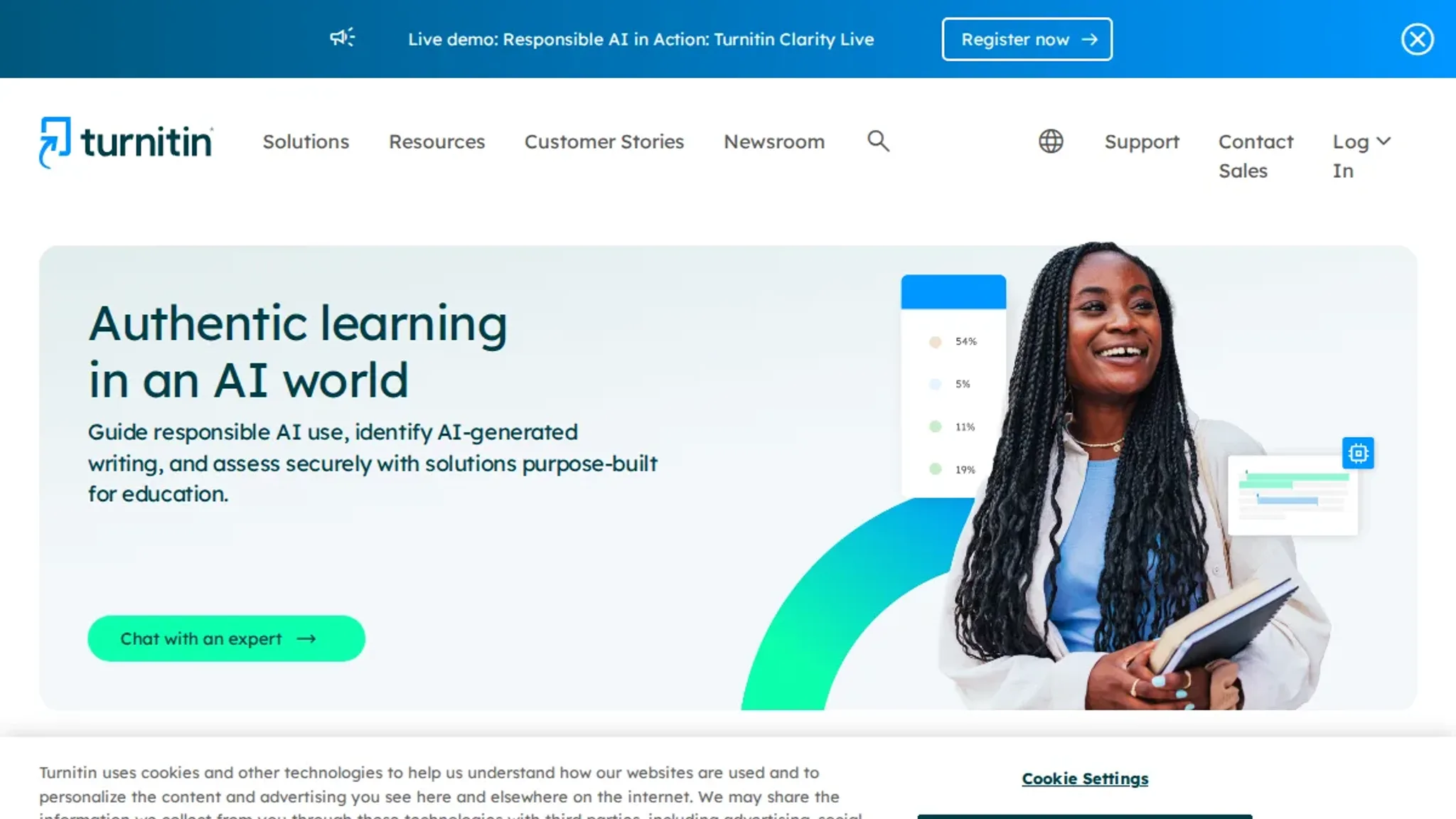
Turnitin is the institutional standard for plagiarism and AI detection, used by most universities worldwide. Its AI detection module was trained on millions of student papers, so running your work through it beforehand can reveal exactly what your institution's system will flag. The catch: individual access is essentially impossible without a faculty account or institutional subscription. You can't upload a paper directly as a student. Key features
- Integrated plagiarism and AI detection reports
- Similarity scoring with source highlighting
- Instructor dashboard with batch submission
- Works inside learning management systems (Canvas, Blackboard)
- Continuous model updates based on new AI versions
- No direct individual subscription available
- Reports are only visible to instructors, not students
- Cannot humanize flagged text
Limitations
Verdict: The tool to check if your paper will pass university scrutiny, but only if you have faculty access.
---
- GPTZero
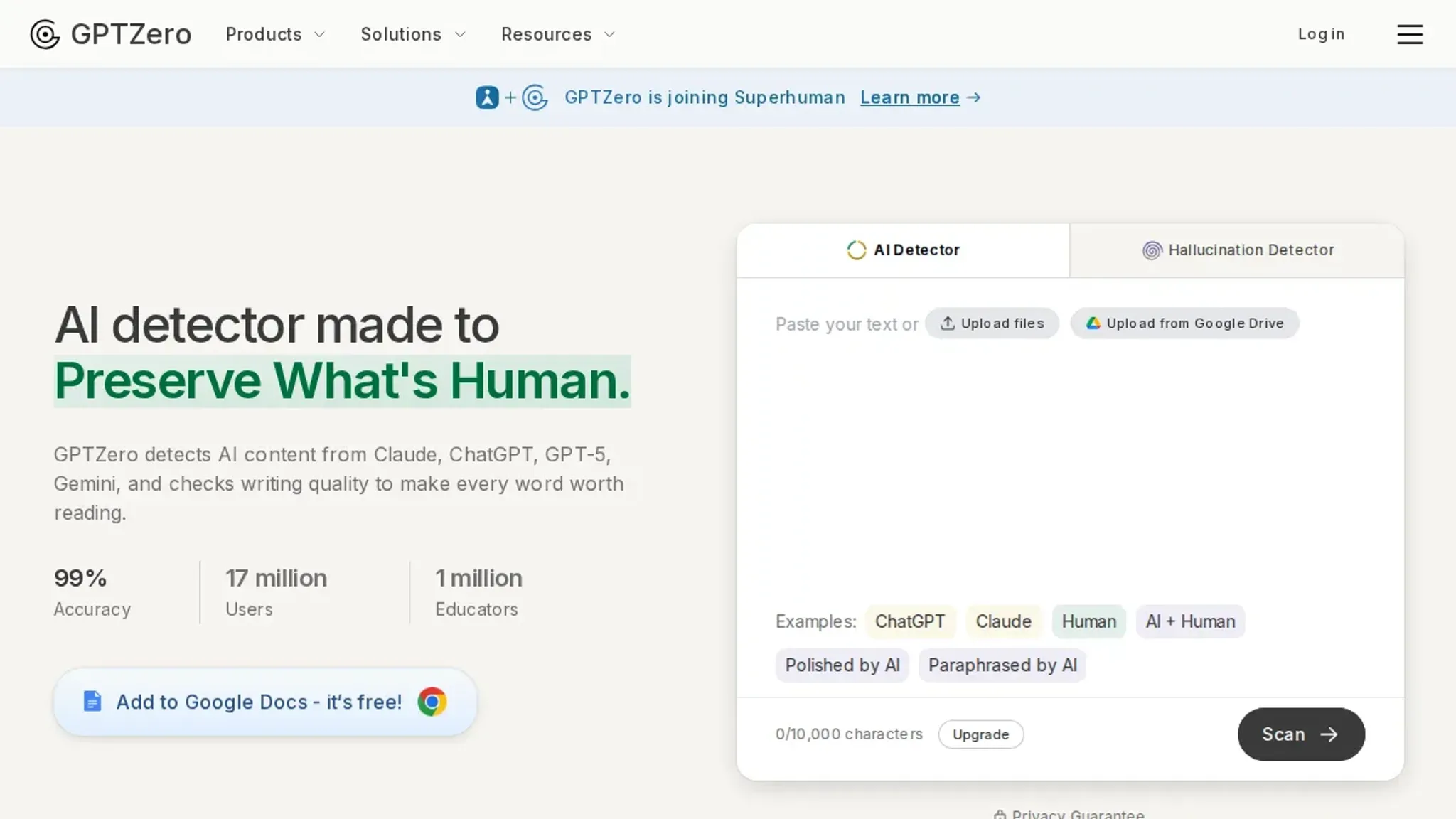
GPTZero was built specifically for educators who need to check student submissions quickly. Its dashboard supports multi-file uploads and delivers per-sentence highlighting with a confidence score. The basic tier is free, a big advantage for teachers on a budget. The trade-off: accuracy drops noticeably on short texts (under 300 words) and on AI content that has been lightly edited. For longer essays it's reliable. Key features
- Free basic plan with no credit card required
- Batch upload and scan multiple documents
- Per-sentence probability scores
- Timestamp and file history for tracking versions
- Chrome extension for checking web content
- Poor performance on texts shorter than 300 words
- No built-in rewriting or humanization feature
- Free plan limited to a set number of scans per month
Limitations
Verdict: A solid free option for educators scanning longer student essays, but bring a backup tool for short texts.
What is an academic AI detector?
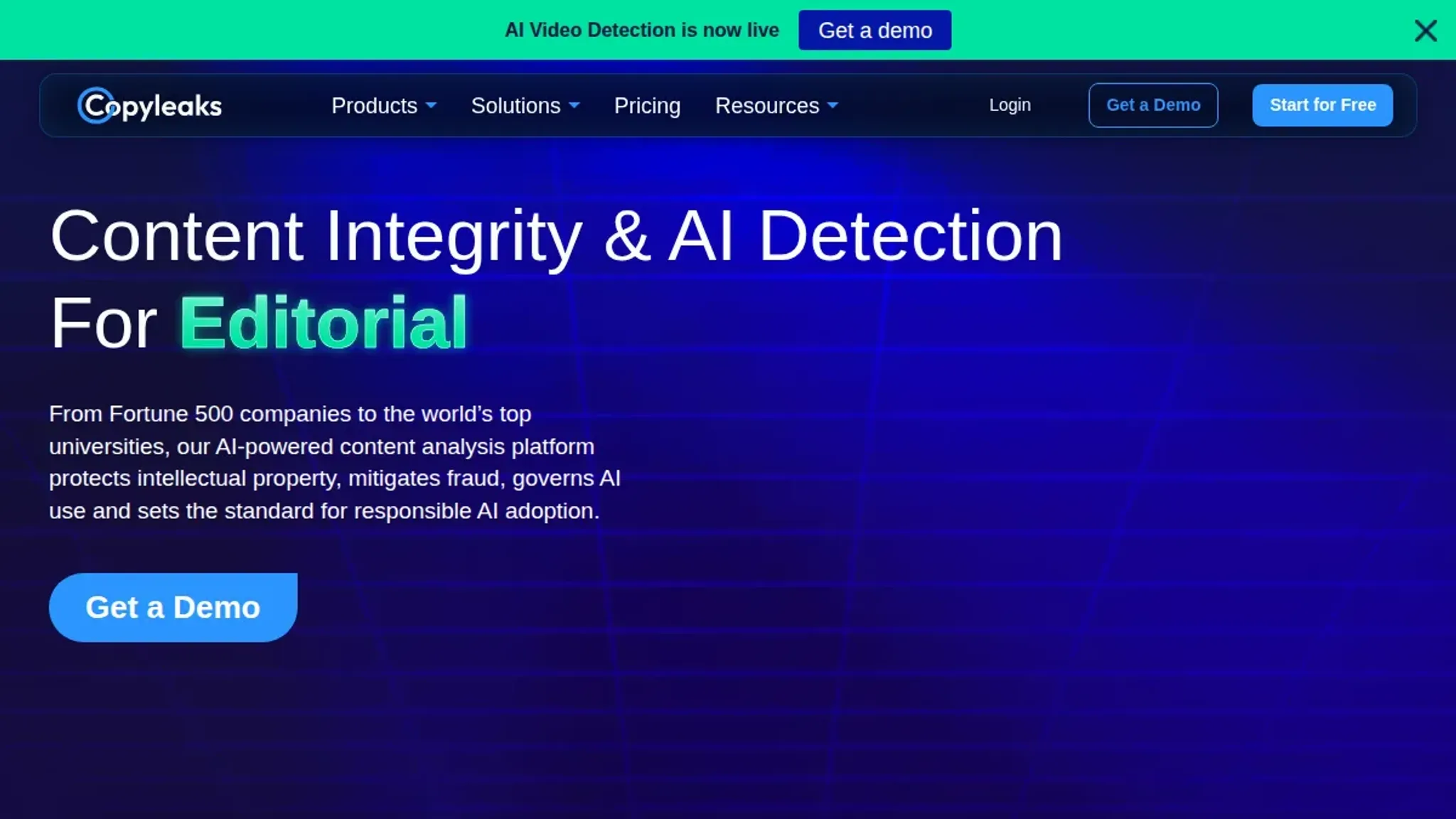
An academic AI detector is software that scans written content for signs of AI authorship, commonly used by universities and journals to catch machine-generated submissions. It works by comparing text against known AI writing patterns, looking for uniform sentence structure and predictable vocabulary. For example, Copyleaks offers an academic-focused detector that highlights problematic passages. These tools are essential for maintaining academic integrity, but no detector is 100% accurate against well-humanized text.
Frequently asked questions about academic AI detectors
How does an academic AI detector work?
It scans submitted text for patterns typical of large language models, such as uniform sentence length, low burstiness, and repetitive phrasing. The detector compares those patterns against known AI writing markers and returns a percentage probability of AI authorship.
Is an academic AI detector worth it?
Yes, if you need to assess whether a submission is likely AI-generated. But no tool is perfectly accurate. Humanized AI text often scores below detection thresholds, so a low score does not guarantee human authorship. The best approach is to use detection as a signal, not a conviction.
What should you know before choosing an academic AI detector?
Accuracy against humanized AI text varies widely. Some detectors flag original writing as AI (false positives), while others miss deeply rewritten AI content (false negatives). Look for tools that share their testing methodology and publish real-world accuracy numbers.
How do you get started with an academic AI detector?
Pick a tool, paste or upload a sample of writing, and review the score. Most offer a free trial or limited free checks. Run multiple samples through the same detector to gauge its consistency before relying on results for high-stakes decisions.
Final Verdict
For most students, AI Busted remains the most reliable everyday choice: it catches humanized AI text without flooding you with false flags. Your next step is straightforward: run your draft through it and adjust any flagged sections.
If your institution relies purely on Turnitin for submission checks, start with Turnitin's own detection module instead, since it mirrors what your grader sees. For deeper guidance on polishing flagged passages, our post on how to remove AI detection from text covers the exact techniques that hold up under scrutiny.